Meatloaf Temperature And Doneness
For beef, pork, veal, lamb, or mixed-meat meatloaf, cook the center to 160°F. For turkey or chicken meatloaf, cook the center to 165°F. The only dependable way to know is with an instant-read thermometer placed in the thickest part of the loaf, not by color, juices, or the recipe timer alone.
The Meatloaf Temperature To Use
A classic meatloaf made with ground beef, pork, veal, lamb, or a blend of those meats is done when the center reaches 160°F. That is the safe internal-temperature target for ground meat; FoodSafety.gov lists 160°F for ground meats and 165°F for poultry.
If the loaf contains ground turkey or chicken, use 165°F instead. That includes turkey meatloaf, chicken meatloaf, and mixed loaves where poultry is part of the blend. For a deeper poultry-specific version, use the turkey meatloaf temperature notes.
Where To Take The Temperature
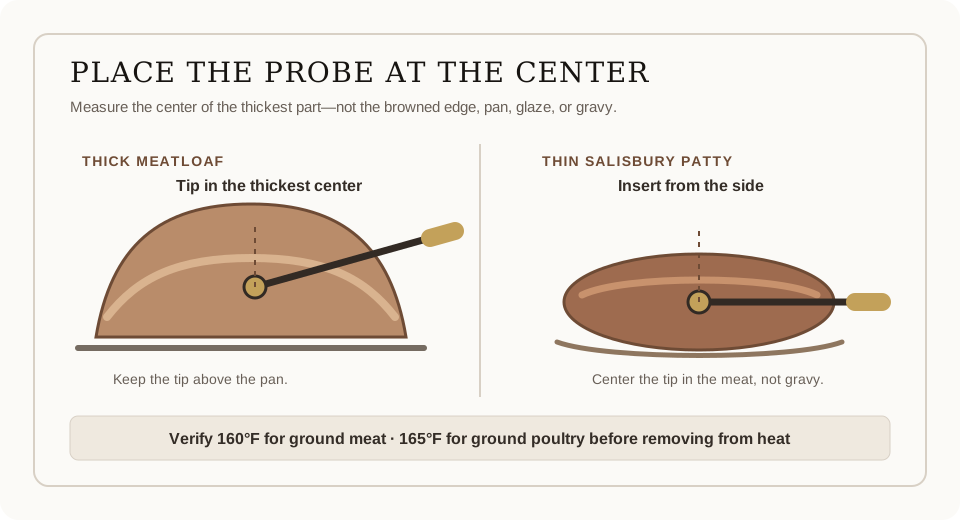
Insert the thermometer into the thickest part of the loaf and aim for the center. Avoid the browned edge, the bottom near the pan, and any pocket of glaze on top. If the glaze makes a top-down reading messy, slide the thermometer in from the side.
Color is only a clue. A meatloaf can have browned edges, bubbling glaze, and clear-looking juices while the center is still under the safe temperature. The center reading is the one that matters.
USDA FSIS ground-beef guidance says meat loaf and hamburgers made with ground beef should reach 160°F and explains that a thin patty can be checked from an angle or from the side. The diagram applies those two probe positions: center the tip in the thickest part of a loaf, or enter a thin patty from the side.
K-State Research and Extension explains that food temperature can remain constant or continue to rise during a rest, but its chart lists no safety rest time for ground meat or ground poultry. A rest can still make a loaf easier to slice; do not count that carryover cooking as safety credit. FoodSafety.gov lists 160°F for ground meat and 165°F for ground poultry before the food leaves the heat. Do not pull a beef or mixed-ground-meat loaf below 160°F, or a poultry loaf below 165°F, expecting the rest to finish it.
Oven Temperature Is Different From Internal Temperature
Most meatloaf recipes bake around 350°F or 375°F, but that number is only the oven setting. It controls how quickly heat moves through the loaf. The internal temperature tells you whether the meatloaf is actually done.
Use recipe timing as an estimate, then confirm with a thermometer. A narrow free-form loaf, a loaf-pan meatloaf, a one-pound loaf, and a two-pound loaf can finish at different times even in the same oven. For timing by size and oven setting, pair this doneness check with the meatloaf cook-time notes.
Turkey Meatloaf Needs More Precision
Turkey meatloaf should reach 165°F in the center. Because turkey is usually leaner than a beef-and-pork blend, it can go from properly cooked to dry if it bakes much past that point.
Moisture and structure matter here. Use enough binder, mix gently, and rest the loaf before slicing. If the texture is dry or crumbly even when the temperature is correct, the problem is usually in the mixture rather than the thermometer reading; the binder and structure advice is the better next stop.
Rest Before Slicing
After the loaf reaches its target temperature, let it rest for about 10 minutes before slicing. Resting helps the juices settle and makes cleaner slices.
If the loaf falls apart when cut, temperature is only one part of the problem. Binder ratio, moisture, mixing, pan choice, and resting time all affect how well the slices hold. The meatloaf texture fixes cover those problems in more detail.
Common Doneness Mistakes
Do not rely on the top color, especially if the meatloaf has ketchup glaze, barbecue sauce, or another dark finish. A glossy, browned top can make the loaf look finished before the center is safe.
Do not measure only the edge of the loaf. The edge cooks first, so it can read much hotter than the center.
Do not assume a larger loaf is done because the recipe timer ended. Larger and denser loaves need more time for heat to reach the middle.
The practical rule is simple: check the center, match the number to the meat, and rest before slicing.
What To Do Next
Once the meatloaf is cooked safely, the next choices are about finish and serving. A sweet, sharp, or smoky meatloaf glaze can go on near the end of baking without replacing the thermometer check.
For dinner planning, choose sides that balance the richness of the loaf; the meatloaf sides guide covers classic and lighter pairings. If there will be extra slices, plan how to store and reheat the leftovers or freeze meatloaf portions so they stay moist.